Chapitres
Partenope
Reduced version
Program note
Work
George Frideric Handel (1685-1759) – Partenope
Solists
With the winners of the 10th edition of Jardin des Voix :
Partenope – Ana Vieira Leite, soprano
Rosmira/Eurimene – Helen Charlston, contralto
Arsace – Hugh Cutting, contre-ténor
Armindo – Alberto Miguélez Rouco, contre-ténor
Emilio – Jacob Lawrence, ténor
Ormonte – Matthieu Walendzik, basse
Ensemble
Les Arts Florissants
Direction
William Christie
Co-director of Jardin des Voix
Paul Agnew
Stage direction
Sophie Daneman
Set design, costumes
Jean-Luc Taillefert
if Parthenope is the mythical soul of the city of Naples, she is also the symbolic figure of vocal art […]
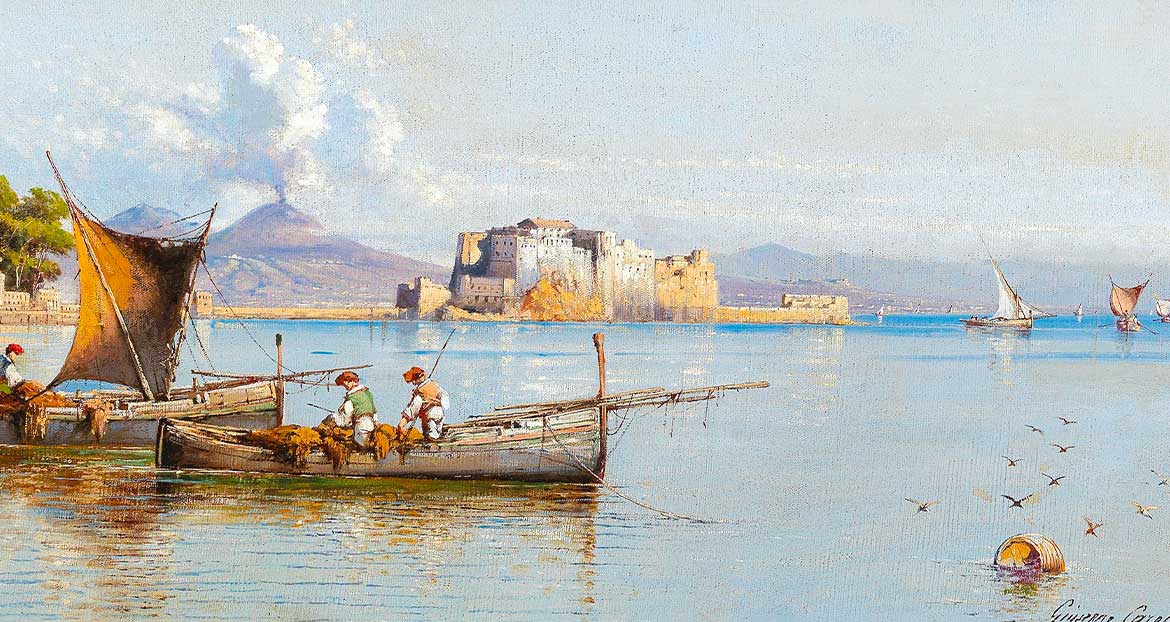
At the turn of the 18th century, the myth of Parthenope, founder of the city of Naples, left a lasting impression on people’s minds and inspired a number of theatrical creations, from Mancia’s opera (1699) to that of Hasse (1767), including those of Caldara (1701), Sarro (1722), Vinci (1724-25), Handel (1730) and Vivaldi (1738). After two centuries of Spanish domination, the reappropriation of this myth on the European lyrical stages restored the magnificence of Naples, which had become a capital once again under the Bourbons.
In 1699, the Italian librettist Silvio Stampiglia, famous for his flourishing production of opera librettos, presented his Partenope, set to music by Luigi Mancia, at the San Bartolomeo theater in Naples. A finely crafted story, where all the dramatic well-springs worthy of the great chivalric poems were gathered: love, combats, imprisonment, cross-dressing, volcanic emotions, comical situations, etc.
Handel, always curious about theatrical novelties and very inspired by Vinci’s version, which he had discovered in 1725, first found enough material for a pasticcio, and then took on the entire work, composing his own Partenope from Stampiglia’s libretto. The opera was premiered on February 24, 1730 at the King’s Theatre in London and was successfully revived the following season with a few cuts and alterations. It was then performed in Germany between 1733 and 1736 (Brunswick, Hamburg), and was revived one last time in London in 1737 at Covent Garden.
The foundation of Naples by Parthenope, the mermaid queen, is the backdrop for a love story as extravagant as it is wonderfully crafted. Indeed, the sovereign is triply loved: by Emilio the prince of Cumae, whom she will make prisoner; by the unfaithful Arsace the prince of Corinth (already engaged to the princess of Cyprus Rosmira, who will disguise herself as a warrior to reconquer him); and finally by Armindo the prince of Rhodes, happy winner of these gallant jousts, controlled by Ormonte, the captain of the Queen’s guards.
This anti-heroic «comedy» with a lively and ingenious spirit could not be better suited to the Jardin des Voix academy: if Parthenope is the mythical soul of the city of Naples, she is also the symbolic figure of vocal art with her fascinating siren’s voice, much feared by Ulysses… Thus, our Partenope pays a vibrant tribute to this Jardin des Voix which, on the eve of its 10th anniversary, is ruled by the spirit of seduction and pleasure!
Fannie Vernaz
Musical advisor, in charge of the library of Les Arts Florissants
Synopsis
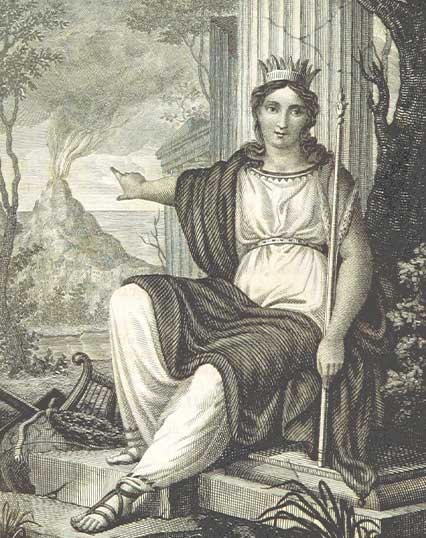
The plot of the opera is inspired by the History of the City and Kingdom of Naples (first book, chapter 11), by the Italian Giovanni Antonio Summonte (1538-1602): Parthenope, daughter of Eumelius, king of Phoenicia in Thessaly, following the augury of a dove, leaves Chalcis, in Euboea, to go and found the city of Parthenope, today Naples. The rest of the libretto is an original fiction.
Act I
The queen Parthenope invokes the blessings of Apollo on her new city of Naples. At her side are two suitors: Arsace, prince of Corinth, who has already declared himself; and Armindo, prince of Rhodes, who still keeps his love secret.
An Armenian prince, Eurimene, arrives and asks the queen for hospitality. Beneath a male disguise, it is in fact Rosmira, princess of Cyprus rejected by Arsace, who comes to take revenge.
In a tête-à-tête, the two former lovers recognize each other: Arsace assures Rosmira that he still loves her; as a testimony of fidelity, she asks him not to reveal his identity.
Armindo confesses his love to Parthenope. Eurimene/Rosmira does the same, to compete with Arsace.
A fourth suitor then bursts in : Emilio, prince of Cumes, who threatens Partenope with a war if she refuses him.
Eurimene reveals to Armindo that he has nothing to fear from her.
Act II
The battle against Emilio ends in a victory for Parthenope. But it provides the fortuitous occasion for Armindo to heroically aid the queen, while Arsace and Eurimene claim each the glory of having captured Emilio. Rosmira challenges her former lover to a duel, but he evades. Armindo renews his advances to Parthenope, who shows herself less distant than the first time. The heart of Arsace balances between Parthenope and Rosmira
Act III
Rosmira once again challenges Arsace to a duel, on the grounds that she wants to avenge the honor of the abandoned princess of Cyprus. With the knowledge of these past demeanors, Parthenope declares to Arsace that she will never give herself to a traitor, and turns more favorably to Armindo.
Arsace is torn between his fear of killing Rosmira, and his oath not to reveal her identity. He finds a stratagem: the fight must take place bare-chested. Eurimene is forced to reveal that she is none other than Rosmira, and falls again into the arms of her former lover. Partenope grants her hand in marriage to Armindo. As for Emilio, he packs his bags and returns to Cumes.
Other related resources
Related content

Partenope
You will also like
Additional content
Serse
Rinaldo
Il Giustino – Legrenzi
Niobe, Regina di Tebe
Parsifal

Falstaff
Concerti Grossi
Il Giustino – Vivaldi
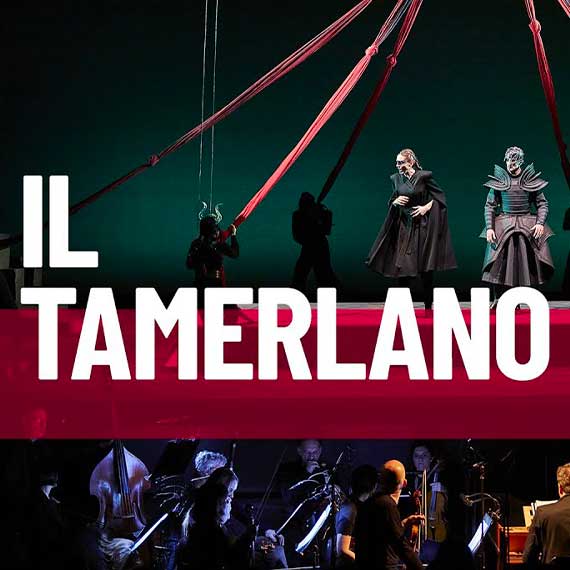
Il Tamerlano
Fidelio
Mozart, une journée particulière

Magic Mozart
Thamos
Lucio Silla
Der Freischütz
Serse HWV 40
Partenope
Serse: Back to the Future
Il Rinaldo di Handel l’Orfeo del nostro secolo
Cast originale
Norma ornamentation practice
Giovanni Legrenzi: Il Giustino, Venezia 1683
“Niobe” als lehrstück für die Aufführungspraxis
Oboen am Hof Max Emanuels um 1688
Concerti grossi. La nuova edizione critica
Interpreti dell’epoca
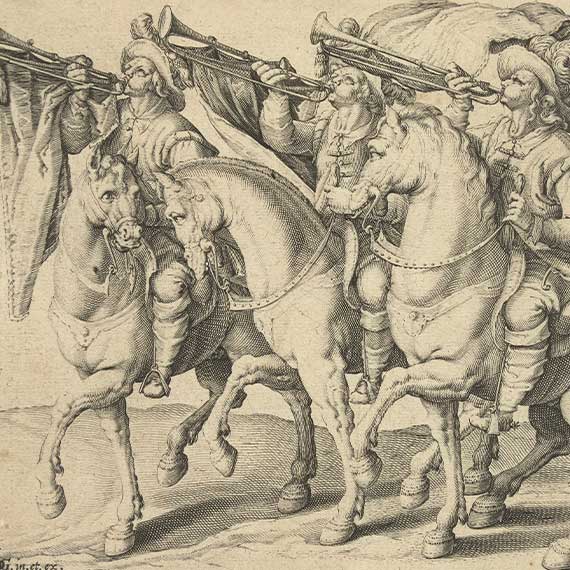
Tromba a chiavi
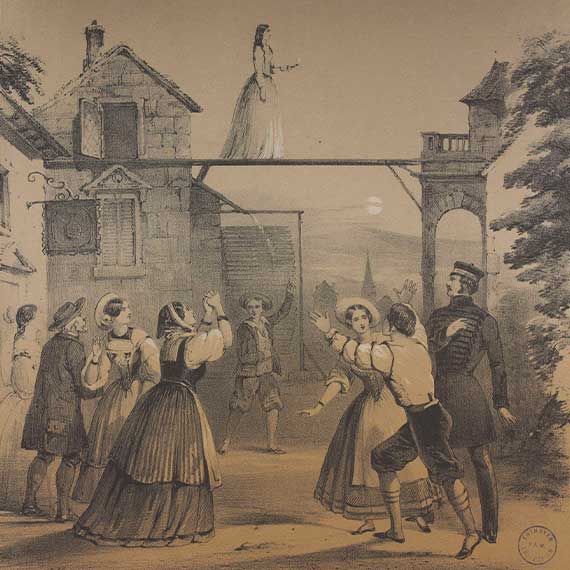
La Sonnambula Bellini’s orchestral sound
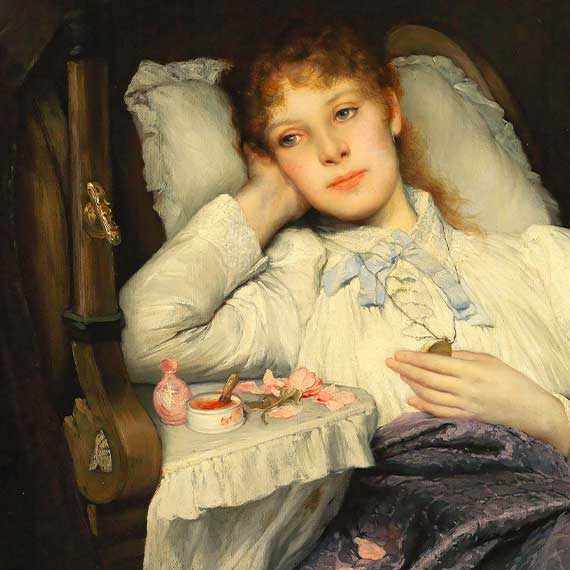
La Traviata Historical instruments
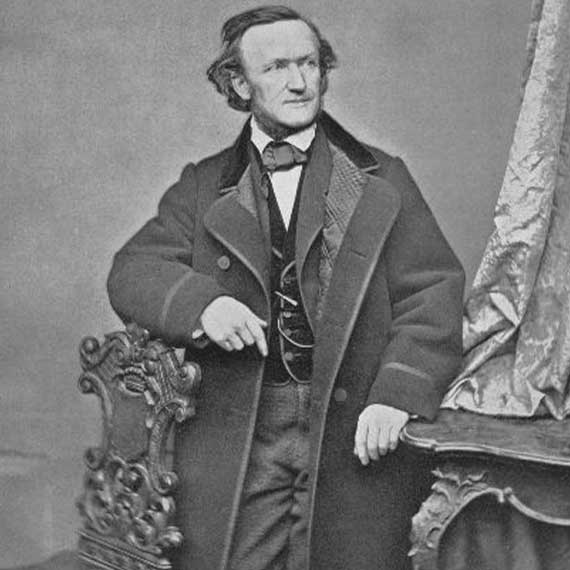
Annotated bibliography on Wagner’s Parsifal
Collection of quotations on Wagner’s performance practice
Parsifal Historical instruments
Falstaff Historical instruments
L’orchestra di Händel
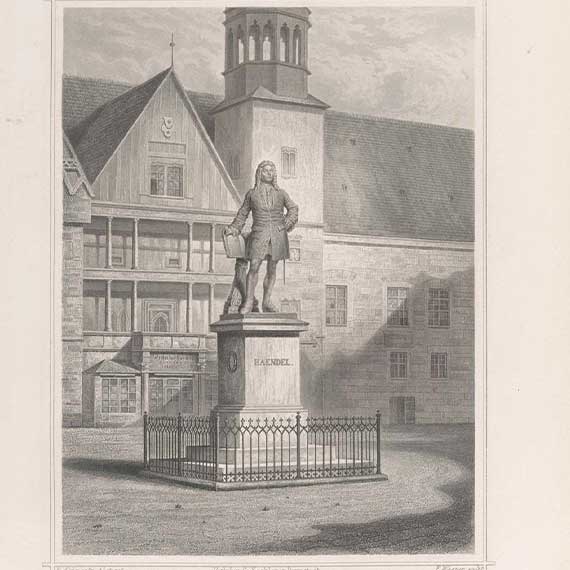
John Walsh, Händel’s publisher
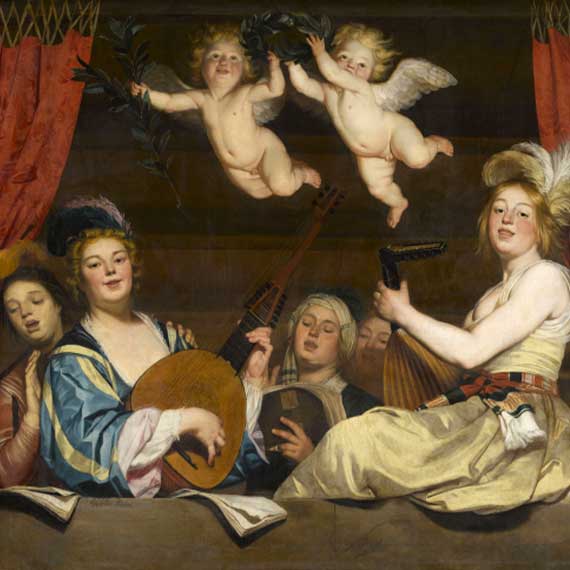
Twelve Grand Concertos, compos’d by Mr. Handel
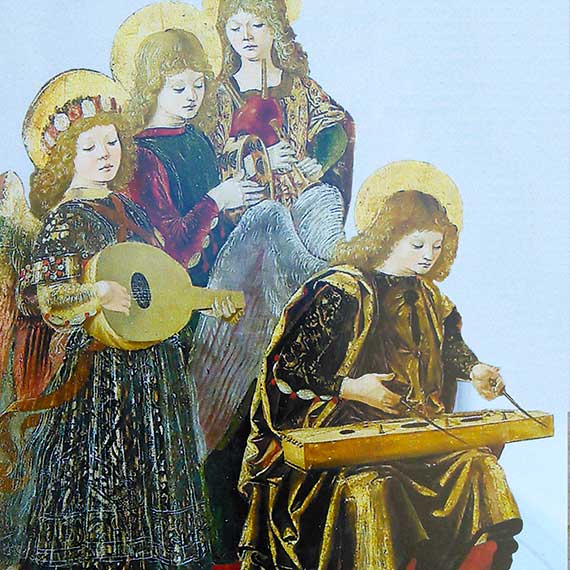
Il Salterio
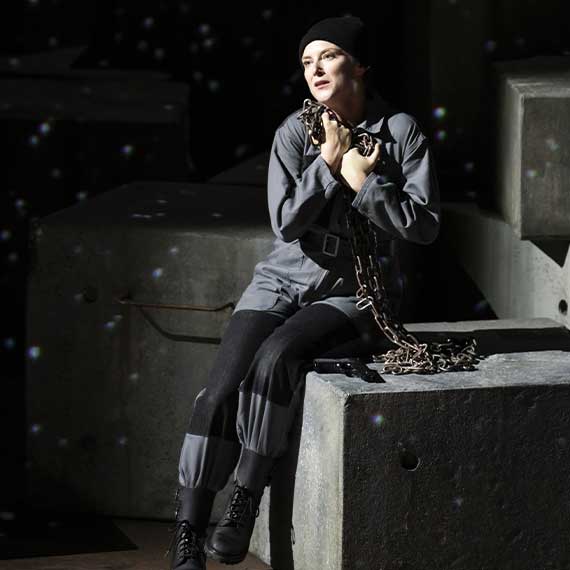





Direction… Bruxelles !
Fidelio





Direction… Ludwigsburg

Direction… Vienne
Freischütz avec la Cie 14:20
Thamos, Roi d’Égypte